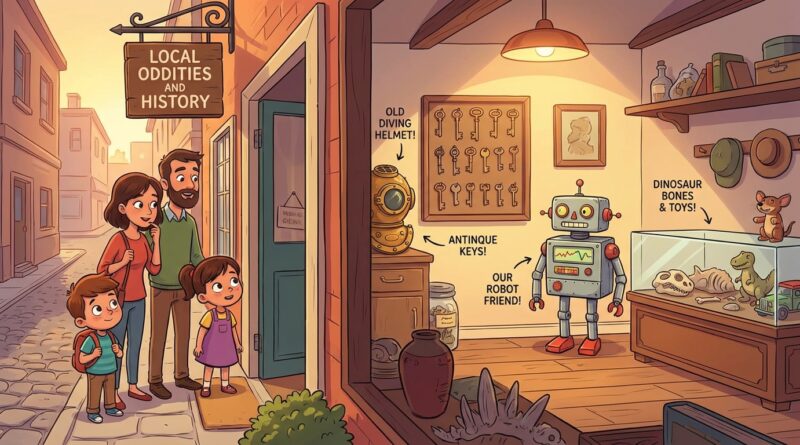
Tiny Museum Mysteries: The Strangest Little Museums Your Family Has Never Heard Of
If you have ever watched your kid drag their feet through a giant museum, staring blankly at another glass case of “important objects,” you are not alone. A lot of family field trips sound good in theory and feel flat in real life. Too much walking. Too many signs. Not enough mystery. That is why weird little history museums for kids can be such a win. They are often cheap, quick, and packed with the kind of strange details children actually remember. A one-room barbed wire museum. A tiny jailhouse with real cells. A local funeral museum with old hearses. These places feel less like homework and more like discovering a secret. Better yet, they help kids connect history to real people, real jobs, and real everyday life. You do not need a huge budget or a full weekend. Sometimes the best family adventure is the odd little museum 20 minutes away that nobody talks about.
⚡ In a Hurry? Key Takeaways
- Weird little history museums for kids are often more memorable than big museums because they feel personal, surprising, and easier to explore.
- Pick places with one unusual theme, then turn the visit into a mini mystery by asking kids what the objects say about daily life long ago.
- Small museums are usually low-cost and less crowded, but always check hours, restroom access, and age-appropriateness before you go.
Why tiny museums work so well for families
Big museums have their place. But with kids, smaller can be better.
A tiny museum usually has one strong idea. Maybe it is about telephones, old tools, mining, dolls, dentistry, or trains from one specific town. That narrow focus helps kids grab onto the story fast. They are not trying to sort through five thousand years of world history before lunch.
Instead, they can ask simple, fun questions. Who used this? Why did they make it this way? What would life be like without this object today?
That is where the learning happens. Not in memorizing dates. In noticing.
What counts as a “weird little history museum”?
Not every small museum is weird. The sweet spot is a place that makes your child say, “Wait. There is a museum for that?”
Look for museums built around one unusual slice of life, such as:
- Medical tools or old pharmacies
- Local law enforcement or historic jails
- Funeral history and hearses
- Toy, doll, or puppet collections
- Typewriters, telephones, radios, or early home tech
- Mining, logging, fishing, or factory life
- Buttons, barbed wire, salt and pepper shakers, or other super-specific collections
- One-room schoolhouses or tiny historic homes
To adults, that can sound random. To kids, it feels like a treasure hunt.
How to find weird little history museums for kids near you
Start local, not famous
Skip the “top 10 museums in the state” lists for a minute. Search by county, town, or region. Try phrases like “historic house museum near me,” “small local history museum,” or the exact search term parents often need, weird little history museums for kids.
Good places to check include local tourism sites, county historical societies, state museum directories, and public library event pages.
Use map apps the smart way
Open your map app and search for words like museum, historical society, heritage center, depot museum, schoolhouse museum, or memorial museum. Then zoom in on small towns nearby. That is often where the real oddities hide.
Call before you drive
This matters more than people think. Tiny museums may have volunteer staff, seasonal hours, or open only on weekends. A two-minute phone call can save a cranky, locked-door disaster.
What makes these places stick in kids’ minds
Children remember what feels specific.
They may forget a giant room full of general facts. But they will remember the museum where they saw a hand-crank phone, a child-sized coffin from the 1800s, or a jail cell so small it looked impossible.
Odd details create a story. And stories are easier to carry home.
That is the secret. You are not just showing your child old stuff. You are helping them build a mental movie of how people once lived.
A simple framework parents can use in any small museum
You do not need to be a teacher. You just need a few good questions.
1. Start with the object
Ask, “What do you think this was used for?”
Let your kid guess first, even if the answer is wildly wrong. Especially if it is wildly wrong. That makes it fun.
2. Move to the person
Ask, “Who would have used this every day?”
A miner. A shopkeeper. A teacher. A child. A doctor. This gets history out of the textbook and back into real life.
3. Connect it to now
Ask, “What do we use today instead?”
This is where kids start making smart connections on their own. An old washboard becomes a washing machine. A switchboard becomes a smartphone. A one-room schoolhouse becomes their own classroom.
4. End with one memorable detail
Before you leave, ask, “What is the weirdest thing you saw today?”
That one answer often becomes the story they retell later.
Great types of tiny museums for different ages
Preschool and early elementary
Pick places with visible objects and short walking routes. Toy museums, train depots, one-room schoolhouses, and old general stores work well. Kids this age like things they can identify fast.
Upper elementary
This is the sweet spot for strange, story-rich museums. Kids can handle more context and usually love old medical tools, historic jails, shipwreck displays, pioneer cabins, and local industry museums.
Tweens and teens
Go for museums with a stronger human story. Immigration exhibits, disaster museums, military history rooms, funeral museums, and odd collections tied to work or invention can be surprisingly engaging if you frame them as real-life mysteries.
How to avoid a boring visit
The museum does not need to be interactive to be interesting. But the visit does need a little structure.
Try these easy tricks:
- Give each child a mission, like finding the oldest item, the strangest tool, or the object they would want in their room.
- Take photos of three things that “need an explanation” and talk about them later.
- Keep the visit short. Forty-five minutes is often plenty for a small museum.
- Pair the trip with a snack stop, park visit, or walk around the historic downtown.
That last one matters. A tiny museum plus ice cream feels like an outing. A tiny museum alone can sometimes feel like a stop on an errand.
Budget-friendly and low-stress by design
This is one of the best parts. Small museums are often free or ask for a small donation. Parking is easier. Crowds are lighter. You can usually get in, learn something interesting, and head home before anyone melts down.
For families staying close to home, that is a big deal. You get an experience that feels special without turning it into a whole production.
What to check before you go
Small museums can be charming. They can also be unpredictable.
Hours and staffing
Many run on volunteer schedules. Double-check opening times and special closures.
Bathrooms and snacks
Not every tiny museum has family-friendly facilities. Know the nearest backup stop.
Sensitivities
Some unusual museums include medical instruments, taxidermy, funeral items, or local tragedy exhibits. That can be fascinating for one child and too intense for another.
Touch rules
Kids often assume smaller means more hands-on. Sometimes it does. Often it does not. Set expectations before you walk in.
Examples of the kinds of tiny museum adventures families love
You do not need these exact places. Think of them as a menu of possibilities.
- A miniature local jail museum where kids can see old locks, bunks, and court records
- A railroad depot with luggage carts, ticket stamps, and telegraph equipment
- A pharmacy museum with labeled glass bottles and strange old remedies
- A one-room schoolhouse where children compare slates and desks to their own classroom
- A fishing or cannery museum that shows how local families worked and ate
- A funeral carriage or undertaker collection that opens a respectful talk about customs from the past
None of those sound like a standard school worksheet. That is the point.
How to turn the visit into a story that lasts
The trip should not end in the parking lot.
On the way home, ask three questions:
- What was the strangest object?
- What job from that museum would you want to try for one day?
- What was harder about life back then than it is now?
You can also have kids draw one object, write a fake diary entry from the point of view of someone who used it, or make a “museum shelf” at home with a few ordinary items from today. Then ask how future kids might interpret them.
That is how history stops being flat. It becomes human.
At a Glance: Comparison
| Feature/Aspect | Details | Verdict |
|---|---|---|
| Cost | Many tiny museums are free or low-cost, with optional donations and easy parking. | Excellent for quick family outings on a budget. |
| Kid Engagement | One unusual theme makes it easier for kids to focus, ask questions, and remember details. | Often more memorable than a large museum for younger visitors. |
| Planning Needs | Hours may be limited, and amenities can be basic, so checking ahead is important. | Low effort overall, but a quick pre-trip call is worth it. |
Conclusion
You do not need a giant museum, a packed schedule, or a big travel budget to give your kids a day that feels special. Weird little history museums for kids offer something many family outings miss. Surprise. They make the past feel close, personal, and just strange enough to be memorable. Right now, when many families are staying closer to home and looking for quick, affordable outings, these small places can turn an ordinary afternoon into a real adventure. They also shine a light on local museums that deserve more love. Best of all, once you use a simple story-first approach, almost any oddball collection can become a doorway into history your child actually remembers. Sometimes the best field trip is not the famous one. It is the tiny, quirky place down the road with one good story to tell.