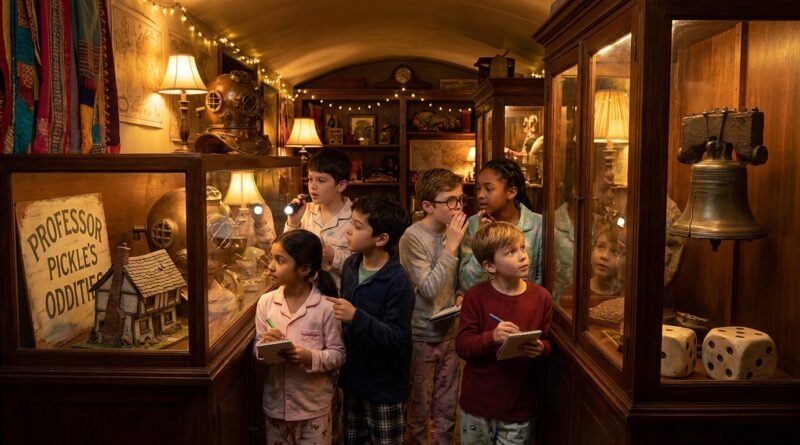
History’s Strangest Museum Sleepovers: True Tales From The World’s Weirdest Collections For Kids
You can only hear “please don’t touch the display” so many times before a family museum trip starts to feel like homework in better lighting. Parents want something different. Kids do too. They want real stories, a little mystery, a little weirdness, and just enough goosebumps to make the ride home fun. That is where history’s strangest museum sleepovers come in. Around the world, museums have opened their doors after dark and let families camp out near dinosaur bones, under whale skeletons, beside vintage toys, and inside buildings packed with odd collections that feel more like treasure hunts than lectures. The best part is that many of these tales are true, verified, and surprisingly kid-friendly when told the right way. If you are searching for weird museums and historical oddities for kids, think less “dusty old cases” and more “night at the museum, but with snacks, sleeping bags, and a flashlight.”
⚡ In a Hurry? Key Takeaways
- Some of the best family museum memories come from after-hours events and unusual collections, not standard daytime tours.
- Before you go, preview the strangest exhibits with your child and turn them into a game, like “find the oddest object” or “pick the best mystery item.”
- Weird museums can be fun, safe, and age-appropriate when parents know the stories behind the objects and skip anything too intense.
Why strange museum sleepovers work so well for kids
A regular museum visit can feel a bit stiff. Walk slowly. Use your inside voice. Read the plaque. Move along.
A sleepover changes the mood. Suddenly the museum is not just a place with rules. It is a place with stories. Darkness makes everything feel bigger. Flashlights make details pop. Even a room full of old dolls or fossil bones can turn into a shared adventure instead of a forced lesson.
That is why weird museums and historical oddities for kids are having a moment. Families want screen-free outings that still feel exciting. They want local adventures that do not require a week of planning. A museum with a giant squid, a case of shrunken curiosities, or a hall of antique robots can do that fast.
True tales from real museum sleepovers and unusual collections
Sleeping under dinosaurs at natural history museums
One of the most famous after-hours museum traditions is the dinosaur sleepover. Museums in cities like London, New York, and Los Angeles have offered family nights where kids unroll sleeping bags beneath towering fossil skeletons.
It sounds dramatic because it is. You brush your teeth while a T. rex skull looms nearby. You whisper jokes under the ribs of a giant prehistoric creature. For kids, that changes dinosaurs from textbook facts into something huge and memorable.
The oddity here is not that dinosaurs are strange. It is that you get to spend the night with them. That alone makes a child feel like they got backstage access to history.
Camping beside whales, sharks, and deep-sea oddities
Many aquariums and maritime museums run overnight programs too. Families have slept near shark tanks, beneath suspended whale models, and around exhibits filled with glowing jellyfish, shipwreck gear, and deep-sea specimens that look almost made up.
These are great for kids who love the weird without wanting anything too spooky. A preserved giant crab, an old diving helmet, or a fish with transparent skin is plenty strange. But it still feels rooted in science, which helps nervous kids relax.
Night tours in museums full of odd collections
Some museums are famous not because they are huge, but because their collections are wonderfully specific. Think ventriloquist dummies, medical tools, funeral customs, cryptic toys, taxidermy, or cabinets full of tiny objects nobody uses anymore.
Not every one of these is right for young kids, of course. But many museums now offer family versions of tours, where the focus is on mystery and design, not shock value. The trick is context. A strange object gets less scary when a guide explains what it was for, who used it, and why people kept it.
That same trick works at home. If your child likes stories about objects with a past, they may also enjoy History’s Weirdest Lost‑And‑Found: True Stories Of Things That Vanished For Ages… Then Suddenly Reappeared, which turns old artifacts into mysteries with satisfying endings.
The strangest items kids actually remember
Ask a child what they recall after a museum trip, and it usually is not the timeline on the wall. It is the odd thing.
The two-headed calf. The tiny coffin. The doll with human hair. The machine nobody can identify at first glance. The miniature city made from matchsticks. The fossilized poop. Yes, that last one is a crowd-pleaser almost every time.
Oddities stick because they raise questions fast. What is that? Why did someone keep it? Who made it? How old is it? That is real curiosity, and it is worth more than making a kid memorize a date.
How to make a weird museum feel fun, not frightening
Preview the big surprises
If a museum is known for unusual collections, check the website first. Look at photos. Read exhibit names. Decide what fits your child.
Some kids love skeletons and preserved animals. Others do better with old toys, inventions, or natural oddities. You know your child best.
Give the visit a mission
Kids do better when they have a job. Try one of these:
Find the weirdest object made from everyday materials.
Pick one item that looks magical but has a real explanation.
Choose one object you would bring to a museum 100 years from now.
This keeps the energy playful and lowers the pressure to “learn” in a formal way.
Use plain language
You do not need a perfect explanation. “This is an old medical tool” or “People once believed this protected them from bad luck” is enough to start. If you sound calm and curious, your child usually will too.
Best kinds of weird museums and historical oddities for kids
If you want the sweet spot between strange and family-friendly, start with these:
Natural history museums
Great for fossils, skeletons, meteorites, insects, and bizarre creatures from nature. Weird, but usually not upsetting.
Toy and childhood museums
Old dolls, wind-up robots, miniatures, puppets, and playground relics can feel delightfully eerie in the best way.
Science museums with odd inventions
Kids love prototypes, failed gadgets, old machines, and “what were they thinking?” inventions.
Maritime and exploration museums
Shipwreck tools, navigation devices, polar gear, and sea oddities make for good adventure stories.
Small local museums
These are often the hidden gems. A tiny museum in an old house may have the oddest item in your whole county, and the staff often have the best stories.
How to find a museum sleepover near you
Search museum websites for “overnight,” “sleepover,” “family night,” or “after-hours.” Aquariums, science centers, and natural history museums are the most likely to offer them.
If no sleepover exists nearby, make your own “museum at night” feeling. Go to a late-afternoon event. Bring notebooks. Let kids use a flashlight at home later to draw what they remember. Build the story around the outing. That is half the magic anyway.
What parents should pack for a museum overnight
Keep it simple.
Sleeping bag or blanket. Small pillow. Toothbrush. Water bottle. Quiet pajamas. A comfort item if your child is young. Headphones if they are sensitive to noise. And yes, one flashlight, because a flashlight turns any museum fact into an expedition.
Also pack realistic expectations. Sleepovers are exciting. Kids may not sleep much. That is normal. The point is the memory.
At a Glance: Comparison
| Feature/Aspect | Details | Verdict |
|---|---|---|
| Best first weird museum choice | Natural history museums, aquariums, and science centers usually mix odd objects with kid-friendly explanations. | Safest bet for most families |
| Most memorable sleepover setting | Sleeping under dinosaur bones or beside massive sea life displays creates instant “wow” for kids. | Best for lasting memories |
| Parent prep needed | Check exhibit photos, age guidance, overnight rules, and comfort level before booking. | A little planning goes a long way |
Conclusion
Families are tired of the same old outing, and kids can spot a forced lesson from a mile away. Weird museums and historical oddities for kids offer a better way in. They turn history into a puzzle, a scavenger hunt, or a bedtime story with better props. Right now families are hunting for fresh, screen-free adventures that still feel safe and local, and “weird museums and oddities” are popping up in event calendars and travel threads for a reason. When parents have a ready-to-use pack of true museum stories, they can spark curiosity, calm nerves about unusual exhibits, and make the next trip feel like a shared game instead of a chore. That is the sweet spot. Strange enough to be exciting. Real enough to matter. And useful enough that you might actually try it next weekend.