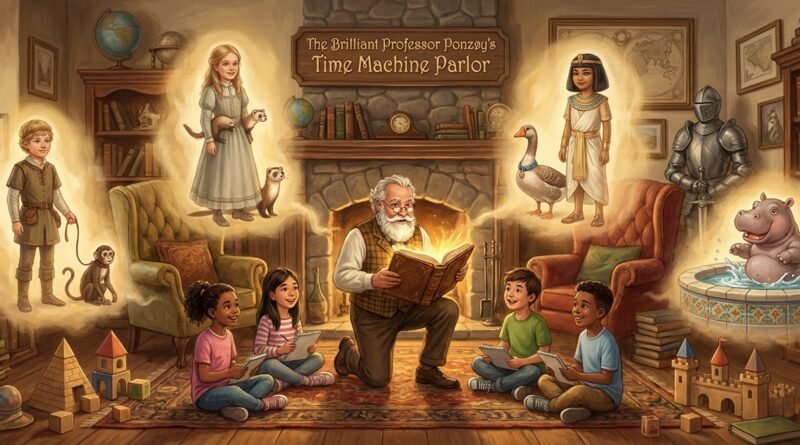
History’s Strangest Pet Pals: True Stories Of Bizarre Animals Families Actually Kept At Home
You can feel the boredom coming, can’t you? The second a “history fact for kids” sounds like homework, eyes glaze over and somebody reaches for a snack. Parents want stories that are real, a little wild, and still safe enough for the dinner table. That is where weird historical pets for kids really shine. Nothing wakes up a room faster than, “Did you know people once kept pet monkeys, ferrets, and even tiny hippo-like animals?” These stories are strange, true, and packed with the kind of details kids actually remember. Better yet, they open the door to bigger questions about trade, travel, royalty, science, and daily life in the past. So instead of another stale list of “fun facts,” here are real animal stories from history that feel fresh, funny, and worth repeating. Think of this as your ready-made stash of history bait for curious kids.
⚡ In a Hurry? Key Takeaways
- Yes, families in the past really did keep some very odd pets, including monkeys, ferrets, exotic birds, and animals owned by kings and queens.
- Use one pet story at a time, then ask kids, “Why do you think people wanted this animal?” to turn a laugh into a real history chat.
- These stories are a kid-safe way to make history feel alive without getting pulled into heavy or upsetting topics.
Why weird pet stories work so well with kids
Kids like surprise. Adults do too, honestly. And history can feel stiff until one odd little detail cracks it open.
A medieval child with a pet monkey. A royal household feeding a rare animal. A ferret trotting through a home where you expected only cats and dogs. Suddenly the past stops looking flat and starts looking human.
That is the sweet spot. Weird historical pets for kids are not just silly facts. They are doorways. They help children picture real homes, real people, and the choices families made long before modern pet stores existed.
If your child likes peaceful, unexpected true stories in general, this pairs nicely with History’s Strangest Calm Moments: True Stories Of Times The World Got Weirdly Peaceful. It has that same “wait, really?” energy, minus the gloomy side of history.
True stories of strange pets from the past
1. Medieval families sometimes kept pet monkeys
This sounds made up, but it is not. In parts of medieval Europe, monkeys showed up in art, household records, and noble homes. They were unusual, expensive, and often treated as status symbols.
Kids usually lock onto one question right away. “How did a monkey even get there?” And that is exactly why this story works. It leads straight into trade routes, travel, and how goods and animals moved between regions.
It also helps to be clear about one thing. Not every family had one. These were rare pets, usually tied to wealth. That detail matters because it teaches kids that strange pets often said something about money, power, and connections.
2. Ferrets were working pets long before they were quirky modern pets
Ferrets feel funny and modern, but people have kept them for a very long time. Historically, they were useful for hunting rabbits and controlling pests. They were not just cute companions. They had a job.
That makes ferrets a great history lesson in disguise. Kids can compare them with modern pets and ask, “Was this animal a friend, a worker, or both?”
That one question gets surprisingly deep, fast. It also helps children understand that in many households, animals were part of everyday survival.
3. Fancy homes often kept exotic birds
Bright birds have long been prized for their beauty, sounds, and rarity. In ancient Rome and later in wealthy European homes, unusual birds were admired, shown off, and sometimes pampered.
This one lands well with younger kids because it is easy to picture. A loud, colorful bird in a grand house feels instantly vivid.
It also opens up smart follow-up questions. Where did the bird come from? Who cared for it? How did people in the past understand animals from faraway places?
4. Royal courts loved unusual animals
When people think of pets, they picture family homes. But some of history’s strangest animal companions lived in palaces. Kings, queens, and nobles often collected rare creatures because unusual animals signaled status and global reach.
One famous example tied to ancient Egypt is the fascination with small hippopotamus figures and royal animals, though the exact “pet dwarf hippo in the palace” stories often get exaggerated online. This is a good moment to model something useful for kids. Real history is fun, but it is also worth checking. A story can be exciting and still need careful sourcing.
That does not ruin the magic. It improves it. Kids learn that historians are part detective.
5. Children in the past had pets too, including unusual ones
This is the part many kids love most. History was not only made by rulers and explorers. It was also made by ordinary children who wanted animal companions, just like kids now.
Records and artwork suggest that some children in wealthier households interacted with pet birds, little dogs, monkeys, and ferrets. Not every animal was cuddly. Not every pet was practical. But the urge to bond with animals is old, familiar, and easy for children to understand.
What these pets actually teach, beyond the laugh
Pets can show class and wealth
A monkey in a medieval home was not random. It usually meant access to trade, money, and social status. Kids can start to see that possessions in history often sent a message.
Pets can show trade and travel
If an animal was not native to a place, it had to get there somehow. That means ships, merchants, gifts, and long-distance connections. One pet can open a whole map lesson.
Pets can show how people thought about nature
Some animals were loved. Some were useful. Some were displayed almost like living treasures. This helps kids see that people in the past did not always think about animal care the way we do now.
Pets make history feel personal
This might be the biggest win. A child may not care about a dynasty or a date. But a child will care that someone 600 years ago had a monkey that stole food off the table. Suddenly history has texture.
How to talk about weird historical pets with kids
You do not need to turn this into a lecture. Keep it light and curious.
Try these questions:
- Which of these pets would you most want to meet?
- Which one would be the hardest to care for?
- Why do you think rich families wanted unusual animals?
- Was this animal a pet, a helper, or a show-off item?
- What does this tell us about life back then?
That last question is the gold mine. It shifts the story from random trivia to actual thinking.
A quick note on what is true and what gets stretched online
A lot of “crazy history facts” get passed around with the edges sanded off or puffed up for clicks. So if you are using weird historical pets for kids, it helps to keep one foot on solid ground.
Good signs include artwork, household records, letters, museum notes, and historians who explain where the story comes from. Weak signs include meme pages, unsourced lists, and dramatic claims that sound too perfect.
You do not need to fact-check every sentence like a graduate seminar. Just be willing to say, “This part is well supported, and this part may be exaggerated.” That is a great habit for kids to hear.
Easy ways to turn one story into an afternoon activity
Make a “past vs. present pets” chart
List a monkey, ferret, songbird, cat, and dog. Ask which ones were common then, common now, expensive then, or hard to care for now.
Use a map
If the pet came from far away, find that place on a map. It makes trade and travel feel real in seconds.
Try a library challenge
Ask your child to find one more odd pet story from history and one source that backs it up. That turns curiosity into a little research project without making it feel schoolish.
Start a dinner-table debate
Which historical pet would make the worst roommate? Which would be the coolest? You will get opinions fast.
At a Glance: Comparison
| Feature/Aspect | Details | Verdict |
|---|---|---|
| Kid appeal | Monkeys, ferrets, exotic birds, and royal animals grab attention almost instantly. | Excellent hook for reluctant young history fans. |
| Learning value | These stories connect to trade, wealth, daily life, and how people understood animals. | Much smarter than a basic “fun facts” list. |
| Family safety | The topic stays light and surprising without drifting into war, gore, or modern political fights. | A strong pick for mixed ages and casual family reading. |
Conclusion
When the news feels heavy and history starts sounding grim, strange animal stories can be a lifesaver. They give kids the surprise and laughter they want, while still sneaking in real learning. That is the magic of weird historical pets for kids. A monkey in a medieval home, a ferret with a job, a royal household showing off rare creatures. Those are not just odd details. They are sparks. They start questions, arguments, map hunts, and library trips. Best of all, they let families enjoy history without brushing up against war, gore, or culture-war minefields. Sometimes the fastest way to get a child interested in the past is also the weirdest. And honestly, that feels pretty perfect.