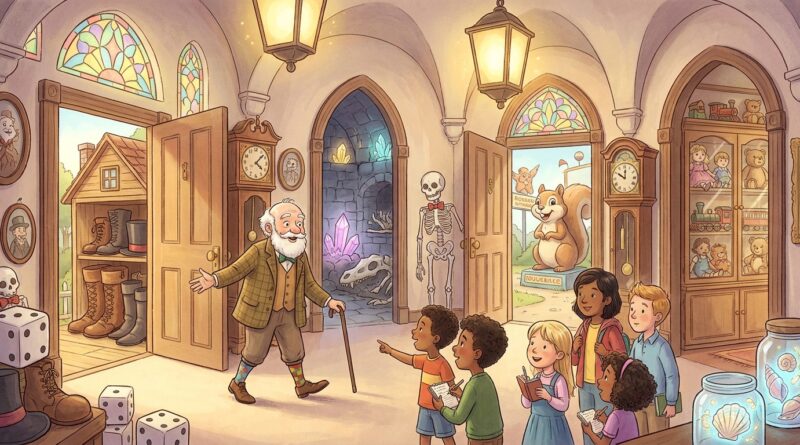
History’s Weirdest Museums For Kids: The Strangest Real-Life Collections You Can Actually Visit
Every parent knows the moment. You pay for parking, walk into a grand history museum, and within ten minutes your child is dragging a hand along the wall asking when you can leave. The problem is not that kids hate history. They hate feeling like history is a long hallway of glass cases and whispering. If you are looking for weird family friendly museums for kids, the good news is that they absolutely exist. Across the country and beyond, there are real museums about mummies, bad art, medical oddities, ventriloquist dummies, cryptids, giant shoes, tiny towns and inventions that failed in spectacular style. The trick is finding the places that feel strange and memorable without tipping into stuff that is too graphic, too creepy or simply way over a child’s head. Think of this as your family-safe map to the weird side of history, where the stories are real, the buildings are often delightfully odd, and your kids may actually ask follow-up questions in the car.
⚡ In a Hurry? Key Takeaways
- Yes, there are plenty of weird family friendly museums for kids, but the best ones mix odd objects with clear stories and light, hands-on fun.
- Before you go, check a museum’s photos, age guidance and reviews so you can spot anything too intense for your child.
- Quirky museums often cost less, take less time and create stronger memories than giant all-day history stops.
Why weird museums work better for some kids
Kids are natural collectors. Rocks, bottle caps, stickers, toy cars, feathers, mystery objects from the yard. So when they walk into a museum built around one strange idea, it often clicks faster than a giant museum trying to cover 5,000 years of civilization.
A museum about salt and pepper shakers, funeral customs, spies, puppets or toilets sounds silly at first. Then a child realizes every object has a story. Who made it. Why people used it. What it says about life back then. Suddenly history feels human.
That is the secret. Weird museums shrink the topic. They make the past easier to grab onto.
What counts as family-friendly weird
Not every oddities museum is right for kids. Some are built for adults who enjoy the darker side of medical history, taxidermy or true crime. Those can be fascinating, but not exactly ideal for your average eight-year-old who still gets nervous walking past Halloween decorations.
Family-friendly weird usually has a few things in common.
It is strange, not upsetting
Think unusual collections, bizarre inventions, folk art, roadside history, miniatures, old carnival items, cryptid lore or mummies presented in a calm educational setting.
It gives context
The best places explain why the object matters. A room full of random stuff gets old fast. A room full of strange stuff with great labels, stories and scavenger hunts is gold.
It respects younger attention spans
Small museums are often the sweet spot. Forty-five minutes to ninety minutes is plenty for many families.
Real-life strange museums families can actually visit
Here are the kinds of places worth putting on your list. Some are famous. Some are blink-and-you-miss-it local treasures. The point is not to hit every one. It is to start spotting the wonderful weirdness near you.
Museum of Bad Art, Massachusetts
Kids love the instant permission this place gives them to laugh, notice details and talk about why art works or does not. The collection is carefully chosen, not mean-spirited. It turns art appreciation into a game. For older kids especially, it can be hilarious and smart at the same time.
The Vent Haven Museum, Kentucky
A museum full of ventriloquist dummies sounds either charming or deeply cursed, depending on your child. For the right family, it is a perfect lesson in performance history, stagecraft and American entertainment. For very sensitive kids, maybe preview plenty of photos first.
The International Cryptozoology Museum, Maine
Bigfoot. Loch Ness. Mystery creatures. This is catnip for curious kids who like legends but are not looking for outright horror. It is a nice mix of folklore, pop culture and the human urge to believe in hidden things.
The Mütter Museum, Pennsylvania
This one needs a caution label. It is famous, fascinating and absolutely not for every child. Some older tweens and teens who are interested in medicine may do well here, but many younger kids will find it too graphic. This is a great example of a place to research before promising a family outing.
The Salt and Pepper Shaker Museum, Tennessee
It sounds tiny and random, which is exactly why kids often enjoy it. Thousands of everyday objects from different times and cultures can be a fun lesson in design, kitchens, travel and collecting. Also, it is delightfully low-stakes.
The National Mustard Museum, Wisconsin
Yes, mustard. Kids do not need the condiment history to be gripping. They just need the joy of seeing that adults really built an entire museum around one ordinary thing. That absurdity opens the door, and the history sneaks in behind it.
The Shoe Museum, miniatures museums, toy museums and niche local collections
These are often the biggest surprise wins. If your child likes dolls, trains, circus posters, insects, old cameras or mini towns, a niche museum can feel made just for them.
How to tell if a weird museum is a good fit before you go
This is where parents save themselves from the dreaded, “Why did we bring them here?” moment.
Check the official photos, not just the name
Some places sound adorable and turn out to be pretty intense. Others sound odd but are completely charming.
Read recent family reviews
Look for clues like “my 7-year-old loved it,” “good for about an hour,” or “interesting but lots of graphic displays.” Those comments are more useful than star ratings alone.
Look for age guidance
If the museum says “parental discretion advised,” believe them. If they offer scavenger hunts, family tours or kid activity sheets, that is usually a very good sign.
Preview the gift shop
This sounds funny, but it helps. A gift shop full of plush cryptids and postcards gives a different vibe than one full of preserved specimens and true crime books.
How to turn a quirky museum into a great family day
Small, odd museums work best when you treat them like an adventure, not a marathon.
Set a simple mission
Try “Everybody pick the weirdest thing you see,” or “Find one object you would put in our house and one you absolutely would not.” Kids love having a job.
Pair it with something familiar
Grab lunch nearby. Add a park stop. Visit an old-fashioned candy shop after. Weird museum first, familiar comfort after. That rhythm works.
Keep expectations short
You do not need a six-hour cultural event. One quirky museum plus one snack stop can become the family story everybody remembers.
Let kids lead the conversation
Ask what they noticed, not what they learned. The learning usually shows up on its own.
Why these places often teach more than the “important” museums
Big institutions do amazing work. But smaller odd museums can help kids understand that history is not only kings, wars and giant timelines. It is also lunchboxes, circus acts, beauty products, fake monsters, tiny souvenirs and collections started by one very determined person with a passion.
That matters. It shows kids that history is made of everyday people and wonderfully strange ideas.
If your family likes unusual history stops, you might also enjoy History’s Oddest Vanishing Roads: True Stories Of Highways That Slipped Underwater, Stopped Mid‑Air Or Went Nowhere At All. It has that same “wait, this is real?” energy that makes kids perk up.
Best ages for weird museums
Ages 4 to 7
Go for visual, playful and not too text-heavy. Toy museums, miniature museums, quirky object collections and unusual transportation museums usually land well.
Ages 8 to 12
This is prime weird-museum age. Kids in this range love gross facts, odd stories, mysteries and anything that feels like a secret discovery.
Teens
Teens can handle more nuanced or eerie places if the topic matches their interests. Medical history, paranormal folklore, failed inventions and unusual art collections can all work well.
Red flags to watch for
Not every “odd” attraction is educational, and not every one is worth the drive.
Too much shock, not enough story
If the whole draw is “come see something disturbing,” that usually gets old fast and may not be kid-safe.
Poor upkeep
Weird and dusty can be charming. Weird and unsafe is different. Pay attention to comments about broken displays, bad lighting or accessibility issues.
Overpromising
A place with a thrilling name may actually be one tiny room attached to a gift shop. Sometimes that is fine. Just know before you go.
How to find strange museums near you
You do not need to wait for a big vacation. Some of the best weird family friendly museums for kids are tucked into smaller towns.
Search smarter
Use terms like “quirky museum near me,” “local history oddities,” “specialty museum with kids,” “roadside attraction museum,” or the collection itself, like “toy museum” or “miniatures museum.”
Check local tourism sites
City and state travel pages often hide the fun stuff under “hidden gems” or “offbeat attractions.”
Ask librarians and local parent groups
This is one of the best tricks. Librarians and neighborhood parents know which places are charming, which are creepy, and which ones somehow have the world’s largest collection of very specific objects.
At a Glance: Comparison
| Feature/Aspect | Details | Verdict |
|---|---|---|
| Kid appeal | Small, strange collections often grab attention faster than giant traditional museums. | Excellent for curious kids and short attention spans. |
| Planning needed | You should preview photos, reviews and age guidance because “weird” can mean funny or way too intense. | Worth the extra five-minute check. |
| Educational value | These museums teach history through objects, stories and niche subjects kids can actually remember. | Surprisingly high when the storytelling is good. |
Conclusion
If your family is burned out on serious field trips that feel longer than a Monday, this is your permission slip to go a little off-script. Right now parents are looking for weekend and vacation ideas that still count as learning, but do not feel like school in disguise. That is exactly where quirky museums shine. They give kids a sense of discovery, they often cost less, and they remind all of us that history is not just stored in giant marble buildings. Sometimes it is tucked inside one wonderfully strange little place dedicated to puppets, mustard, miniatures or myths. Pick the odd museum that fits your child’s personality, do a quick preview for comfort, and enjoy the rare family outing where the words “Wait, this is a real museum?” are actually a very good sign.